
Opinion by Alan J Chwick
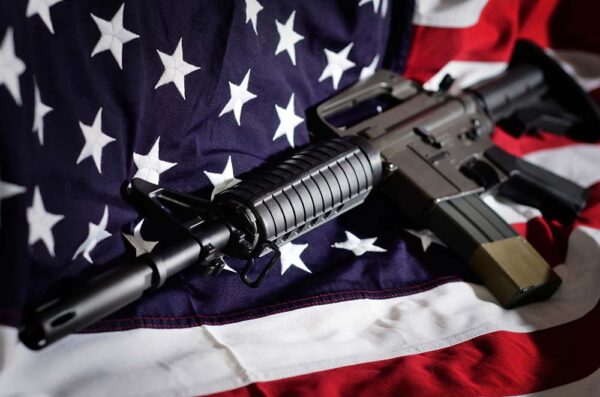
In the ongoing debate surrounding gun ownership in the United States, one fundamental question persists: Why is it necessary to protect private arms possession? The answer to this question is far from simple, as it is deeply intertwined with the nation’s history, cultural values, and individual rights. Protecting private arms possession serves several vital purposes, from individual security to the broader principle of liberty itself.
The right to bear arms is enshrined in the Second Amendment of the U.S. Constitution, which reads: “A well regulated Militia, being necessary to the security of a free State, the right of the people to keep and bear Arms, shall not be infringed.“ While the historical context of this clause is often debated, it is widely understood that the framers of the Constitution saw an armed populace as a safeguard against tyranny.
Beyond the historical precedent, the right to own firearms is an expression of personal liberty. In many ways, it is an extension of self-determination, allowing individuals to defend themselves, their families, and their property. Whether against natural disasters, criminal activity, or even the overreach by an oppressive government, private arms ownership offers an important layer of autonomy that allows individuals to protect their lives and freedoms.
In a world where law enforcement can’t always be at the scene of a crime, and it is also important to understand that law enforcement does not have a legal obligation to protect an individual citizen unless a special relationship has been established, such as through an arrest or a promise of protection. Their duty is generally to protect the public as a whole rather than specific individuals. So, the ability to defend one’s self is a cornerstone of personal security.
While the vast majority of gun owners do not use their firearms for illegal purposes, they possess their weapons for self-defense, hunting, or sport shooting, activities that have been part of American life and culture for generations. When we examine crime statistics, one of the most compelling reasons for private gun ownership is the deterrent effect firearms can have. Criminals are less likely to target homes or individuals who may be armed and capable of defending themselves.
Live Inventory Price Checker
| PSA Guardsman-15 16" Midlength 1/7 CL Phosphate 15" MLOK Upper with BCG & CH, FDE | Palmetto State Armory | $ 399.99 $ 379.99 | ||
| PSA Guardsman-15 10.3" 5.56 NATO 1/7 CL Phosphate 9" MLOK Upper with BCG & CH, FDE | Palmetto State Armory | $ 399.99 $ 379.99 | ||
| PSA Guardsman-15 8" 300BLK CL Phosphate 7" MLOK Upper with BCG & CH, FDE | Palmetto State Armory | $ 399.99 $ 379.99 | ||
| PSA Guardsman-15 10.3" Carbine-Length 5.56 NATO 1/7 CL Phosphate 9" MLOK Pistol | Palmetto State Armory | $ 599.99 $ 569.99 |
A survey from the National Research Council found that firearms are used in self-defense anywhere between 500,000 and 3 million times per year in the United States, though the latter number is disputed. Nevertheless, it suggests that private gun ownership does play a crucial role in deterring crime and ensuring personal safety, especially in situations where waiting for law enforcement intervention would be too late.
The protection of private arms possession is also essential to maintaining a balance of power in society. Governments, even those founded on democratic principles, have historically abused their authority when unchecked by an armed populace. The argument is not that the United States is on the brink of tyranny, but rather that the presence of an armed citizenry serves as a check against potential abuses of power.
While the chances of a totalitarian regime emerging here is slim, the mere idea that citizens are empowered to resist overreach provides a sense of security in the nation’s foundational principle of self-governance. This is not to suggest that all gun owners would take up arms against the government, but rather that the right to bear arms ensures that power is always held in balance and that citizens have the means to protect their liberties if necessary.
Beyond security and philosophical considerations, the right to own firearms has a deep economic and cultural impact on the United States. The firearms industry contributes billions of dollars annually to the U.S. economy, providing jobs, tax revenue, and goods that support related sectors such as manufacturing, retail, and tourism. Many states also rely on hunting and shooting sports as important sources of both revenue and community identity.
Gun ownership, in its various forms, also fosters a sense of responsibility, self-discipline, and community. Programs such as firearm safety courses and shooting competitions teach participants not just about weapons, but about respect, responsibility, and how to handle power with care. For many, these activities are more than hobbies; they are a vital part of their cultural heritage.
While it is clear that the right to own firearms should be protected, this does mean that responsible ownership is necessary. The challenge here lies in striking a balance between public safety and respecting constitutional rights. Gun control measures may help to mitigate the risks associated with firearm ownership, but any measures that infringe the rights of law-abiding citizens must be avoided at all costs. REMEMBER, the Second Amendment is a natural, God given, RIGHT, and NOT A GOVERNMENTAL PRIVILEGE!
The key to responsible gun ownership, which requires individuals to understand the potential risks involved, is to act within a framework that promotes safety and accountability. Increased investment in education, mental health services, and community-based violence prevention programs could go a long way toward ensuring that firearms are kept out of the wrong hands, while still preserving the RIGHTS of those who use them responsibly.
The protection of private arms possession in the United States is more than just a matter of politics; it is a matter of principle. At its core, the right to own firearms is tied to the very ideals of personal freedom, security, and the preservation of liberty. The Second Amendment was not written for a time when muskets were the only form of weaponry, but for a society where citizens must remain vigilant in protecting their rights.
While the debate over gun control will likely continue for the foreseeable future, we must recognize that protecting the right to bear arms is essential to maintaining the freedoms that define the American experience and its culture. By ensuring responsible ownership and reasonable regulation, we can uphold this right while also making strides toward a safer, more secure society.
See also:
U.S. Second Amendment: Means ALL Weapons & ZERO Infringements ~ VIDEO
Your Moral Right To Keep & Bear Firearms In The United States
About Alan J. Chwick:
Alan J. Chwick, A.S., B.S., FL/NY/SC Paralegal is known for his involvement in legal articles usually related to firearm regulations and for his contributions to discussions on gun rights. Retired Managing Coach of the Freeport NY Junior Marksmanship Club (FreeportJuniorClub.org). Escaped New York State to South Carolina and is an SC FFL & Gunsmith (Everything22andMore.com).
from https://ift.tt/gdyOqcK
via IFTTT

No comments:
Post a Comment